

Wellthic
- 🌐
What is Insomnia?
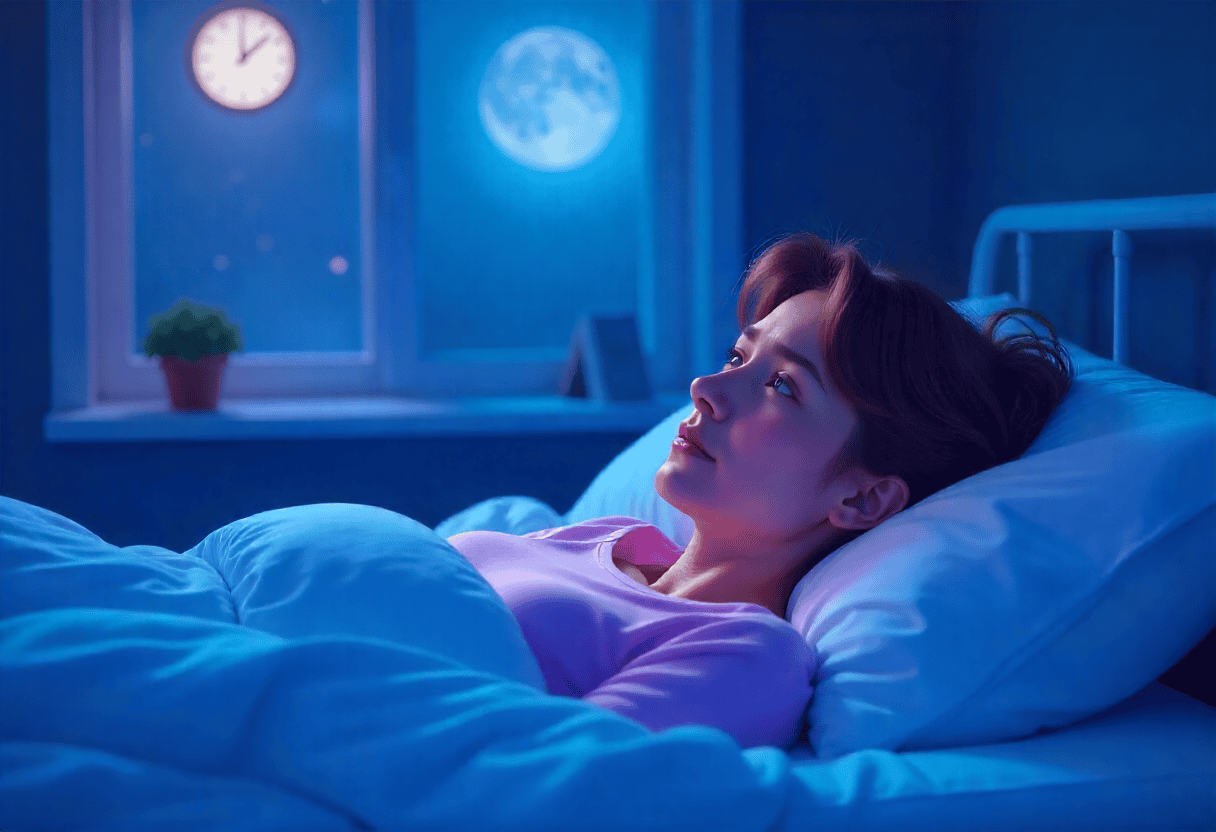
Insomnia is a common sleep disorder that affects millions of people in the USA. It refers to difficulty falling asleep, staying asleep, or waking up too early and not being able to return to sleep. Studies show that nearly 30% of American adults experience short-term insomnia, while 10% suffer from chronic insomnia.

🛑 Causes of Insomnia
- Stress, anxiety, or depression 😟
- Poor sleep environment (noise, light, temperature) 🛏️
- Excessive caffeine, alcohol, or nicotine ☕🍷
- Medical conditions like chronic pain, asthma, or diabetes 🩺
- Medications that interfere with sleep 💊
- Jet lag or irregular sleep schedule ✈️
⚠️ Symptoms of Insomnia
- Difficulty falling asleep 💤
- Waking up frequently during the night ⏰
- Daytime fatigue and low energy 😴
- Irritability, anxiety, or mood changes 😠
- Difficulty concentrating at work or school 📚
📊 Insomnia in the USA – Statistics
According to the CDC, more than 70 million Americans suffer from sleep disorders, with insomnia being the most common. Around 35% of adults report less than 7 hours of sleep per night, which increases the risk of obesity, diabetes, and cardiovascular problems.
| Age Group | Percentage with Insomnia |
|---|---|
| 18-29 years | 22% |
| 30-44 years | 28% |
| 45-60 years | 32% |
| 60+ years | 38% |
🌿 Natural Remedies for Insomnia
- Herbal teas like chamomile or valerian root ☕
- Magnesium-rich foods (almonds, spinach, pumpkin seeds) 🥬
- Practicing yoga or meditation 🧘♀️
- Aromatherapy with lavender essential oil 🌸
- Limiting screen time before bed 📱❌
💡 Lifestyle & Sleep Hygiene Tips
✅ Do’s
- Maintain a consistent sleep schedule ⏳
- Exercise regularly but not close to bedtime 🏃♂️
- Use blackout curtains and keep your bedroom cool 🌙
- Read a book instead of scrolling social media 📖
❌ Don’ts
- Avoid caffeine and alcohol in the evening ☕🚫
- Don’t nap too long during the day 🛌
- Avoid using your bed for work or eating 🍔💻
🔍 Insomnia vs Normal Sleeplessness
Normal sleeplessness can occur due to stress or excitement and usually resolves in a few days. Chronic insomnia lasts for weeks or months and often requires medical intervention. Understanding the difference is crucial for proper treatment.
https://wellthic.shoptrino.com/ai-in-health-wellness/
💊 Treatments for Insomnia
- Cognitive Behavioral Therapy for Insomnia (CBT-I) 🧠
- Prescription sleep medications (short-term use only) 💊
- Over-the-counter melatonin supplements 🌙
- Lifestyle modifications and stress management 🌿
❓ FAQs – People Also Ask
1. How can I cure insomnia fast?
Practice sleep hygiene, avoid caffeine, and use relaxation techniques like meditation.
2. Can insomnia cause serious health problems?
Yes, long-term insomnia increases the risk of heart disease, diabetes, and depression.
3. Is melatonin safe for treating insomnia?
Melatonin can be safe for short-term use, but consult a doctor before regular use.
4. How much sleep do adults need?
Most adults need 7–9 hours of quality sleep every night.
📌 Remember Always
Insomnia is more than just sleepless nights – it can seriously impact your physical and mental health. By improving lifestyle habits, trying natural remedies, and seeking professional help when needed, you can reclaim your sleep. 🛌💤
Call to Action: If you are struggling with insomnia, consult a healthcare provider today and start your journey towards healthier sleep. 🌟