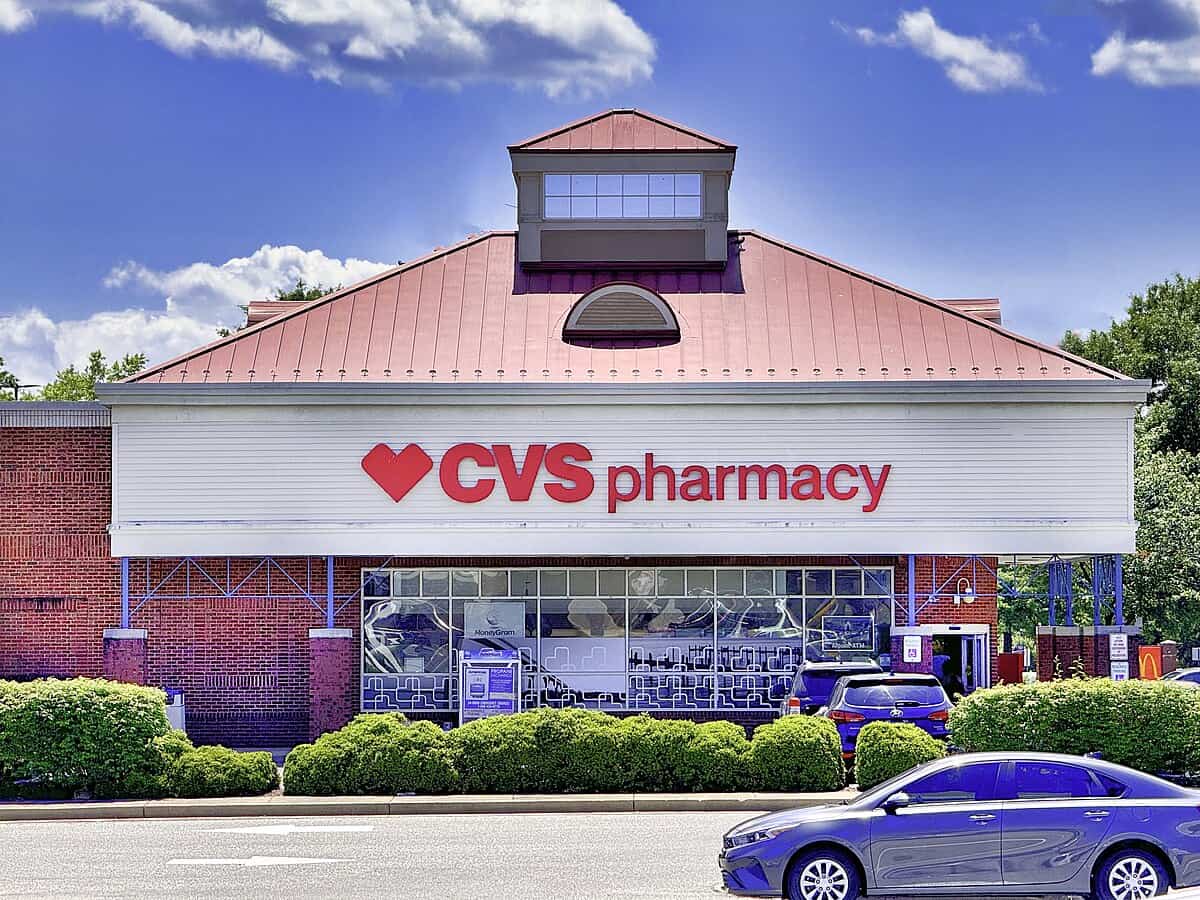
CVS Health & the 2025–26 COVID-19 Vaccine Limits: What 16 State Restrictions Mean for Investors
Updated: September 1, 2025
Below, we break down the operational impact, the investment case, and the key risks and catalysts to watch.
TL;DR
- Access: Vaccine availability at CVS will vary by state; some locations may require prescriptions or pause shots entirely.
- Operations: Near-term disruption is possible (scheduling, staffing, patient flow), but likely modest compared with CVS’s diversified model.
- Investment View: The larger thesis still hinges on margin stabilization, cost discipline, and technology-driven efficiencies across pharmacy, insurance, and care delivery.
- Watchlist: Health Care Delivery margins, PBM regulation, and execution on store format shifts and script-file acquisitions (incl. selected Rite Aid locations).
Context: Why the Vaccine Policy Shift Matters
The policy change narrows where and how CVS can administer COVID-19 shots. Practically, it may reduce immunization volumes in certain jurisdictions and complicate appointment logistics.
For investors, the headline looks significant—but in the context of CVS’s integrated platform (pharmacy + insurance + care delivery), the direct earnings impact from COVID-19 shots alone is not the primary driver of long-term value.
CVS Health Investment Narrative (Quick Recap)
- Integrated Model: Pharmacy (retail & specialty), insurance, and care services create a wide footprint and cross-channel engagement.
- Scale + Digital: National presence plus growing digital tools (app, scheduling, virtual care) to improve retention and lower service costs.
- Margin Work: The key medium-term catalyst remains margin repair and cost containment, especially in Health Care Delivery.
- Selective Expansion: Script-file acquisitions and the operation of ~64 Rite Aid stores support local market share and pharmacy throughput.
Operational Impact: Near-Term, But Contained
Vaccine constraints could mean fewer immunization visits in some markets, potentially reducing ancillary purchases and clinic traffic.
However, compared with total scripts, specialty pharmacy growth, and insurance economics, the earnings sensitivity to COVID-19 shots alone is limited.
The bigger needle-movers remain prescription volume mix, reimbursement structures, medical cost management, and administrative efficiency.
Where the Policy Change Could Show Up in the Numbers
| Area | Potential Effect | Investor Take |
|---|---|---|
| Immunization Volumes | Lower volumes in 16 states + D.C.; complexity in scheduling/prescriptions | Headline risk, but small driver vs. core pharmacy & insurance economics |
| Front-of-Store Sales | Possible dip from reduced footfall tied to vaccines | Limited earnings sensitivity; format shifts already underway |
| Pharmacy Services | Workflow changes; emphasis on chronic & specialty scripts | Specialty and adherence initiatives are bigger profit levers |
| Health Care Delivery Margins | Indirect effect via clinic demand mix | Primary risk area remains cost control & utilization management |
Catalysts & Risks to Watch
Catalysts
- Margin stabilization in Health Care Delivery via cost discipline and utilization controls.
- Technology-driven efficiencies (automation, better scheduling, digital refills) that lift pharmacy throughput and satisfaction.
- Local share gains from script-file acquisitions and operation of select Rite Aid locations.
Risks
- Regulatory pressure on PBMs and vertically integrated models.
- Reimbursement headwinds impacting traditional pharmacy margins.
- Higher medical cost trends weighing on insurance profitability if not offset by pricing and care management.
Bottom Line: Investment Thesis Intact
CVS Health’s vaccine policy change introduces operational friction in certain markets, but it does not meaningfully alter the long-term investment thesis.
Execution on margins, cost control, and technology remains the dominant driver of shareholder returns.
Investors should monitor quarterly commentary for color on immunization volumes, reimbursement dynamics, and progress on margin initiatives.
FAQs
Is CVS stopping all COVID-19 vaccinations?
No. Availability varies by state. Some states may require a prescription; others may pause until criteria are clarified.
Does this materially hurt CVS’s earnings?
Unlikely in a material way. COVID-19 shots are a small contributor versus core pharmacy, specialty, insurance, and care delivery economics.
What should investors track next?
Health Care Delivery margins, PBM/regulatory updates, reimbursement trends, and evidence of cost/tech execution in quarterly results.